
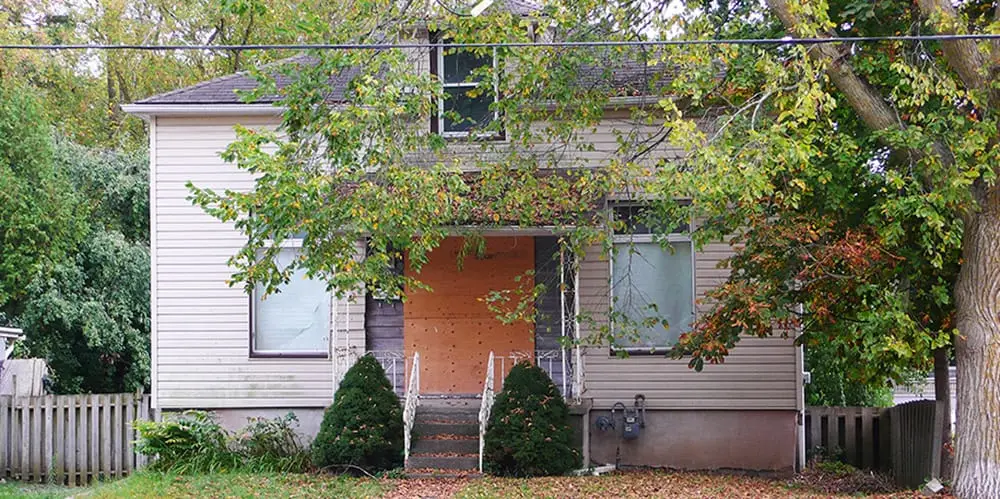
Victory for Guelph as council approves 4% vacant housing tax (VHT)
City council approved a hard-won 4% Vacant Housing Tax on June 10, 2026, long advocated for by GIG. The tax encourages owners to live in, rent or sell homes that are unoccupied for more than six months of the year (exemptions apply to those who use the dwelling as their primary home. See the full list of exemptions).
So what’s next for the VHT team at GIG?
We’re not done yet!!! The current bylaw is complaint-based; meaning that if nobody complains, the dwelling is left to sit empty and it does not benefit the rental market. We have identified over 50 vacant houses in Guelph, but the real number of vacant dwellings in Guelph is much higher. What we need is mandatory reporting, meaning that landlords are required to declare properties that are vacant for more than six months on their tax returns. You can support us by writing to your councillor and telling them that you would like to see mandatory reporting of properties that have been vacant for over six months the past year, as they have in other municipalities who have adopted the vacant homes tax (such as Ottawa).
What else can you do?
If you know of a vacant home, report it to the city! You can also join the Guelph Vacancy Tax Working group by emailing us at GetInvolvedGuelph@gmail.com.
Understanding our housing crisis
Guelph is in a serious housing crisis with rapidly rising purchase costs and rental rates, lack of affordable housing options, and increasing homelessness. The average one bedroom apartment was $1,901 as of June 2026, according to rentals.ca. The rental vacancy rate, how many rental homes are currently empty, is half what a healthy rate should be for our City. It is very difficult for many residents to find affordable housing.
What is residential vacancy?
Residential vacancy refers to homes that are unoccupied for an extended period, usually more than 6 months. These vacant residences can range from single-family homes to apartment units that remain empty despite the ongoing housing shortage. Municipalities have the power to apply vacancy taxes.
Why do homes remain vacant?
There are various reasons why homes in Guelph may remain vacant.
- Reluctance to enter into rental agreements because of the incredible wait times for hearings at the Landlord Tenant Tribunal if things go badly.
- The “financialization of housing” has led to people treating houses and condos as an investment that they will gain from when they sell. They are not interested in seeking return by renting their investment property since it involves interactions with other people. Transparency International Canada reports that dirty money is often used to acquire real estate in Canada.
- Houses bought for land assembly often sit empty for years waiting for a redevelopment project to start.
- Owners live abroad or in other cities, leaving their properties unused for years.
Why vacant homes matter in Guelph
Vacant housing has a negative financial, environmental and social impact on communities. Vacant homes are not just empty spaces; they represent missed opportunities for housing those in need.
On a moral level, it’s unjust to have homes sitting empty when so many people are struggling to find affordable housing.
Vacant homes negatively impact communities when they become eyesores, leading to decreased property values in the surrounding areas.
Communities are addressing residential vacancy
Cities across Canada are implementing a residential vacancy tax of 1-3% of assessed value per year, with proceeds funding housing.
- British Columbia: Much of the province now has a 0.5% vacancy tax (2% for foreign owners) as of January, joining Vancouver and Victoria from 2018. $81 million was raised in 2022 to build affordable homes.
- Toronto: Started in 2022 at 1%, increased to 3% for 2024 if vacant >6 months in a calendar year. $107 million was raised in two years to build affordable homes.
- Ottawa: Started in 2023 at 1% of assessed value if vacant > 184 days.
- Hamilton: Started in 2024 at 1% if vacant >183 days in the previous calendar year.
- Windsor: Started in 2024 at 3% if vacant >183 days in any taxation year.
- Sault Ste Marie: To start in January at 4%. A complaint-based process will be used.
We can improve housing availability in Guelph!
To get involved with the Guelph Vacancy Tax Working group or to contact us, email GetInvolvedGuelph@gmail.com.